
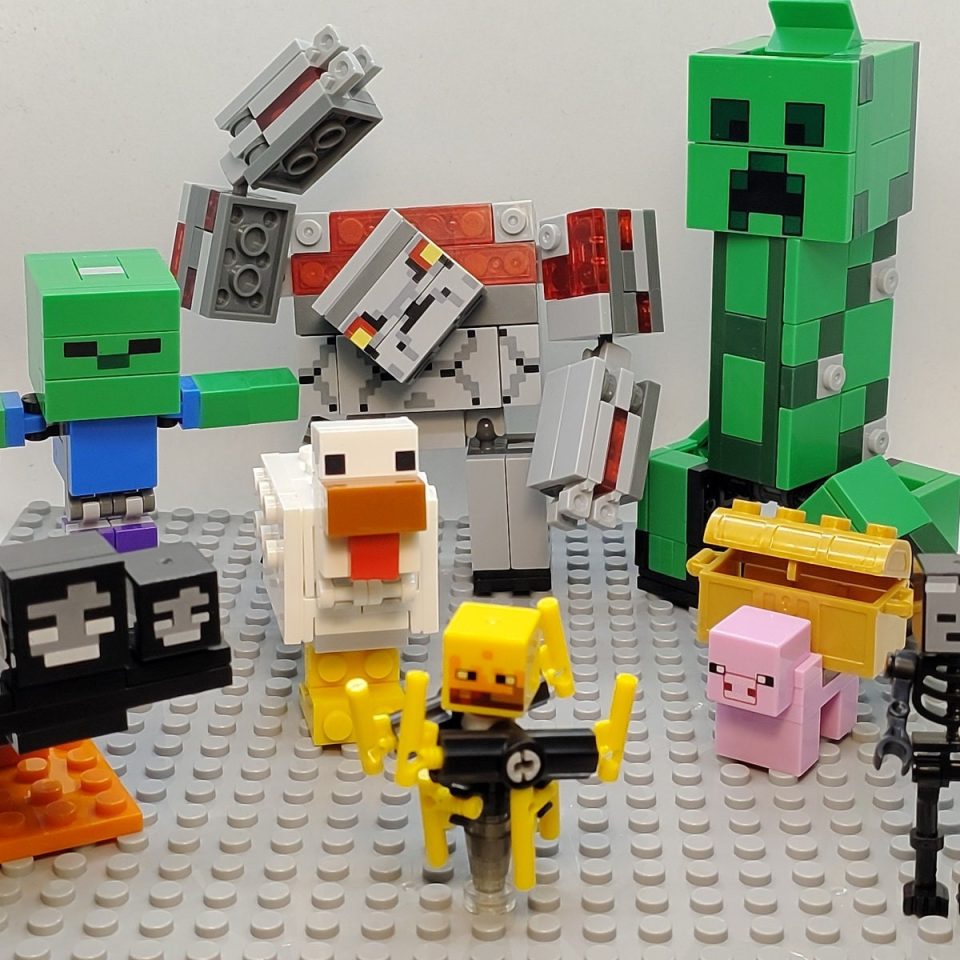
 Those who are exploring the Desert biomes of Minecraft may come in contact with a Husk, and treating it like a normal Zombie is a mistake. This variant may move and act like a traditional Zombie, but their immunity to sunlight makes them a bit of a nuisa
The are two reasons getting this right is important, and both reasons are the same but viewed from different perspectives- Minecraft Online guide is still the biggest game in the world. The official VR mode is exclusive to the Rift, so you can bet that Microsoft/Mojang and Oculus worked together to make sure the experience is as inviting as possible. Getting this right is a major deal for both companies. This ties in to the other perspective, which is consumer-side. For a lot of people Minecraft will be a premier game for VR, and how accessible it is will become the baseline expectation of the experience. Make it nice and maybe it becomes the VR gateway drug, and at the moment the experience is acceptable. The default starting view may be the same Minecraft as always on an in-game screen, and Classic Control has high nausea potential, but the jerky VR Control is the kind of thing you learn to tolerate simply because it’s effective.
Someone needs to have a nice sitdown with the gaming industry about VR and what it can and can’t do. The ability to transport the viewer inside a scene is incredible, and if that scene happens to be in the cockpit of some kind of ship, then it opens up a whole range of movement options that would otherwise be a bad idea. Putting the player behind the eyes of a protagonist who walks around freely in the standard FPS viewpoint, on the other hand, is something that has only sounded awesome. It’s hasn’t been. Really, seriously, it’s kind of sucked, and while wanting it to be different won’t change that, clever viewing systems just might. So now Minecraft has official VR support, and it’s taken an interesting approach to the presentation that’s a little awkward but usable.
This has been gone over in many other articles, but the short version is that what the player sees in VR is strong enough to trigger an instinctual expectation of motion that, when the body doesn’t feel it, causes a nausea reaction. You’re seeing something that the brain knows is wrong based on physical feedback; the most likely cause based on data from the last several million years of evolution is some kind of ingested toxin, so systems get purged to remove the poisons from the body as fast as possible. Personally I just get a nasty headach and woozy feeling, but other people need an emergency bucket available. The cost/benefit ratio to FPS VR is completely off, no matter how cool it seems before the reaction kicks in. At this point I’ve learned the best thing to do with a VR FPS is to poke in for no more than two to three minutes to get a sense of the environment, and then switch back to the monitor and never use the headset for it again.
Ender Pearls are an important tool for combat as they can be used to teleport away from danger when fighting in a tough battle. They are somewhat hard to store as they can only be stacked to 16. It may be tedious to remember to grab a full stack before heading out on an advent
VR Control mode has a number of options available for it, but the default is that turning is done by a series of instant changes, like teleporting in place but facing a different angle. Turn slowly and the jumps are tiny, turn fast and you get a much larger angle of change. Additionally, when you look while walking your “body” automatically changes direction to face the same way without the need to manually adjust it. The trick is to eliminate as much as possible anything that might cause dizziness, and although these changes wouldn’t work on a game like Doom they’re fine for something slower-paced like Minecraft. It may be weird and a little jarring but also surprisingly effective.
On the plus side, once you’re in the Minecraft world the sense of scale is truly fantastic. Everything seems bigger somehow, more immediate and solid. A pit in a cave that would be little more than a hazard to plop a staircase onto is all of a sudden an ominous presence waiting to see you fall into its depths. Hills are more imposing, cliffs shoot dangerously into the sky and canyons are massive rifts in the earth, and the oceans go down forever. Even the standard block has a sense of mass, with its one meter cube transformed into a substantial chunk of scenery. Another side effect of the new sense of scale is that combat has become a little easier because the strike distance is so obvious. The move to VR has done a great job of freshening up an experience I’ve been done with for several years now, which is an impressive feat. While I’m still not completely sold on the viewing solution, it’s something that works for now until a better idea is implemented.
The introduction of the demo heavily references the first Dragon Quest, from the remixed Dragon Lord theme to the explanation that this takes place after Erdrick’s descendant chose the bad ending. Will there be references to other games in the series or any specific characters making an appearance, such as Alena from IV or Yangus from VIII?